
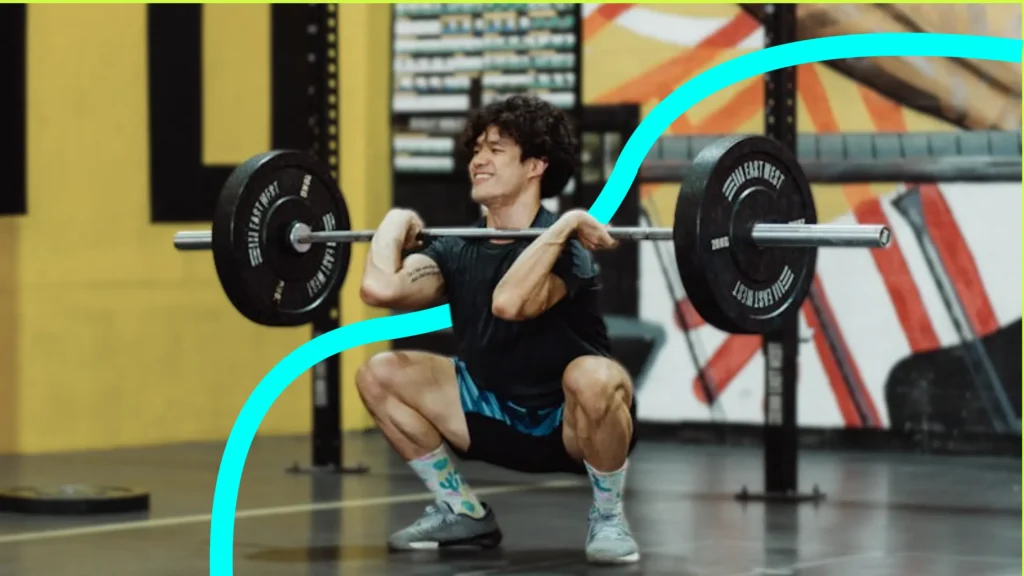
Strength & conditioning may be the answer to every parent dreams of seeing their child succeed, not just in school, but in life. It helps them to have the confidence to face challenges, the discipline to stay focused, and the resilience to bounce back when things don’t go their way. While we often think about grades, tuition classes, or career guidance as the stepping stones to success, one powerful tool is often overlooked: the discipline built through strength and conditioning (S&C) training.
At first glance, strength and conditioning (S&C) might look like it’s only about building stronger muscles or improving fitness. But beneath the physical work lies something far more valuable; the development of mental fortitude, consistency, and grit. These qualities go beyond the gym, shaping how young people approach academics, relationships, and eventually, their careers.
Structure Builds Discipline
When a teenager commits to a structured training program, they are doing more than just exercising. They are learning to follow a plan, to stick with routines, and to stay consistent even when motivation dips. The gym becomes a training ground for life, where the lesson is clear: progress takes time, effort, and perseverance.
Imagine your child juggling school exams, co-curricular activities, and social life. The pressure is high, and the temptation to cut corners is strong. But because they’ve trained in a system where showing up and sticking with the plan is non-negotiable, they approach challenges differently. Instead of giving up at the first sign of difficulty, they break problems into smaller steps, apply discipline, and keep moving forward. This ability to persist under pressure doesn’t just help in sports. Research shows that adolescents with higher levels of self-control and resilience perform better academically and manage stress more effectively (Tangney, Baumeister, & Boone, 2004). What they practice in the gym—the habit of turning up and pushing through—mirrors the persistence needed to study for exams, complete projects, or adapt to new environments.
Angela Duckworth, in her book Grit: The Power of Passion and Perseverance, explains that success is less about raw talent and more about sustained effort over time (Duckworth, 2016). This is exactly what happens when a young person follows a structured program—each repetition, each workout, each week builds their capacity for long-term commitment.
Strength in Gym to Strength in Life
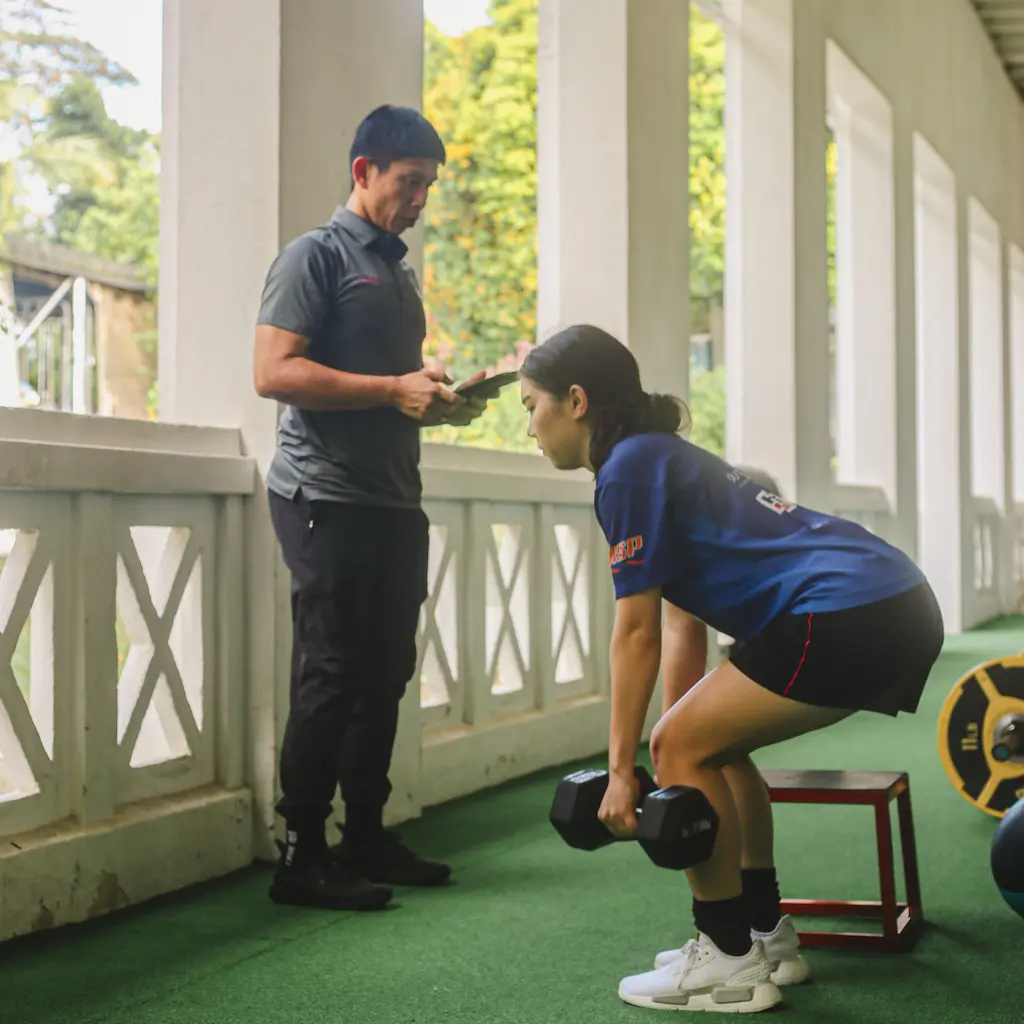
The beauty of resilience is that it transfers. A teenager who learns not to quit halfway through a tough workout carries that same mindset into life outside the gym. They develop the ability to stay calm under pressure, to bounce back from setbacks, and to pursue long-term goals. Studies suggest that resilience and perseverance are strong predictors of future success. For example, research has linked grit to higher educational attainment, better job performance, and even long-term relationship stability (Eskreis-Winkler et al., 2014). In other words, the lessons your child learns through structured training may shape their ability to thrive well into adulthood.
What Parents Truly Care About?
Let’s be honest, when parents think about their child’s future, physical strength is important, but it’s not the top priority. What we really care about is whether our kids will grow up to be capable, confident, and independent. Will they do well in school? Will they land a good job? Will they have the resilience to handle life’s inevitable setbacks?
This is where the hidden benefits of strength and conditioning (S&C) shine. By sticking to a structured program, young people practice the exact skills that matter most for success:
- Consistency: showing up even when it’s inconvenient.
- Goal-setting: breaking long-term aspirations into smaller, achievable steps.
- Accountability: taking responsibility for progress.
Duckworth and Seligman (2005) found that self-discipline predicted academic performance in adolescents better than IQ. That means the ability to persist, focus, and stay committed is often more important than raw intelligence. And strength and conditioning (S&C) training, done properly, helps to cultivate exactly that.
Small Steps Lead to Big Growth
Parents sometimes worry that training will overwhelm their child, but the reality is that structured programs are designed to grow with them. Progress comes in small, achievable steps. Whether it’s adding a little more weight to a lift, running slightly further than last week, or sticking to a routine for another month, each step builds momentum.
This process mirrors the way habits form in everyday life. Research by Lally et al. (2010) shows that habits are built through consistent repetition over time, not through sudden bursts of motivation. By practicing this in training, your child learns that meaningful growth, whether in school or life, comes from steady, persistent effort.
As parents, we invest so much into tuition, enrichment, and career planning because we want our children to be prepared for the future. But resilience, discipline, and grit – qualities that employers, universities, and life itself demand, are not easily taught in a classroom. They are cultivated through practice. Strength and conditioning offers that practice. It’s a safe, structured environment where young people learn that progress requires discipline, that setbacks can be overcome, and that showing up matters more than being naturally talented. These are lessons that extend far beyond the gym and set them up for success in school, work, and life.
So the next time you think about your child’s future, remember this: building resilience doesn’t just happen through books or exams. Sometimes, it starts with a simple routine in the gym; repeated day after day, turning effort into strength, and strength into resilience.
If you’re considering to have your child go through strength & conditioning training, we can help, we’ve a team experienced professionals that have been working with youths for years. Find out more about our youth strength & conditioning services here.
References
- Duckworth, A. (2016). Grit: The Power of Passion and Perseverance. Scribner. ISBN: 978-1501111105
- Duckworth, A. L., & Seligman, M. E. P. (2005). Self-discipline outdoes IQ in predicting academic performance of adolescents. Psychological Science, 16(12), 939–944. https://doi.org/10.1111/j.1467-9280.2005.01641.x
- Duckworth, A. L., Peterson, C., Matthews, M. D., & Kelly, D. R. (2007). Grit: Perseverance and passion for long-term goals. Journal of Personality and Social Psychology, 92(6), 1087–1101. https://doi.org/10.1037/0022-3514.92.6.1087
- Eskreis-Winkler, L., Shulman, E. P., Beal, S. A., & Duckworth, A. L. (2014). The grit effect: Predicting retention in the military, the workplace, school, and marriage. Frontiers in Psychology, 5, 36. https://doi.org/10.3389/fpsyg.2014.00036
- Lally, P., Van Jaarsveld, C. H. M., Potts, H. W. W., & Wardle, J. (2010). How are habits formed: Modelling habit formation in the real world. European Journal of Social Psychology, 40(6), 998–1009. https://doi.org/10.1002/ejsp.674Tangney, J. P., Baumeister, R. F., & Boone, A. L. (2004). High self-control predicts good adjustment, less pathology, better grades, and interpersonal success. Journal of Personality, 72(2), 271–324. https://doi.org/10.1111/j.0022-3506.2004.00263.x
