
Manual Therapy
AMP Lab now offers Myofascial BodyWork and ScarWork. These hands-on therapy sessions are designed to support clients who experience persistent tightness, restricted movement, post-surgical tissue changes, scar-related discomfort, or a sense that their body is not moving as freely as it should.
This service complements AMP Lab’s physiotherapy, strength and conditioning, and performance-based approach by supporting better tissue mobility, movement quality and body awareness.
These Sessions Can Benefit If You
Feel persistent tightness despite stretching or massaging
Want to improve ease of movement before returning to exercise
Have chronic neck, shoulder, back or hip tension
Want to improve body awareness and movement quality
Have post-surgical tightness or scar restrictions
Experience pulling, sensitivity, numbness or stiffness around a scar
What To Expect
Your session will begin with a short discussion of your concerns, history and goals. The practitioner may assess posture, movement and areas of tissue restriction before beginning hands-on treatment.
The treatment is generally gentle and guided by your comfort. Each session is tailored to your body’s presentation, and the number of sessions required may vary depending on your goals, symptoms and tissue response.
Book A Session
Myofascial BodyWork and ScarWork sessions are now available at AMP Lab. For enquiries or bookings, please contact our team via WhatsApp 96670407 to find out whether this service is appropriate for your needs.
Myofascial BodyWork and ScarWork are complementary therapies. They are not intended to replace medical care, medical diagnosis, physiotherapy rehabilitation, surgical review or other treatment prescribed by your doctor or healthcare provider. If you have an active wound, infection, inflammation, unexplained pain, recent surgery, or any medical concern, please seek appropriate medical advice before booking a session.

Myofascial BodyWork
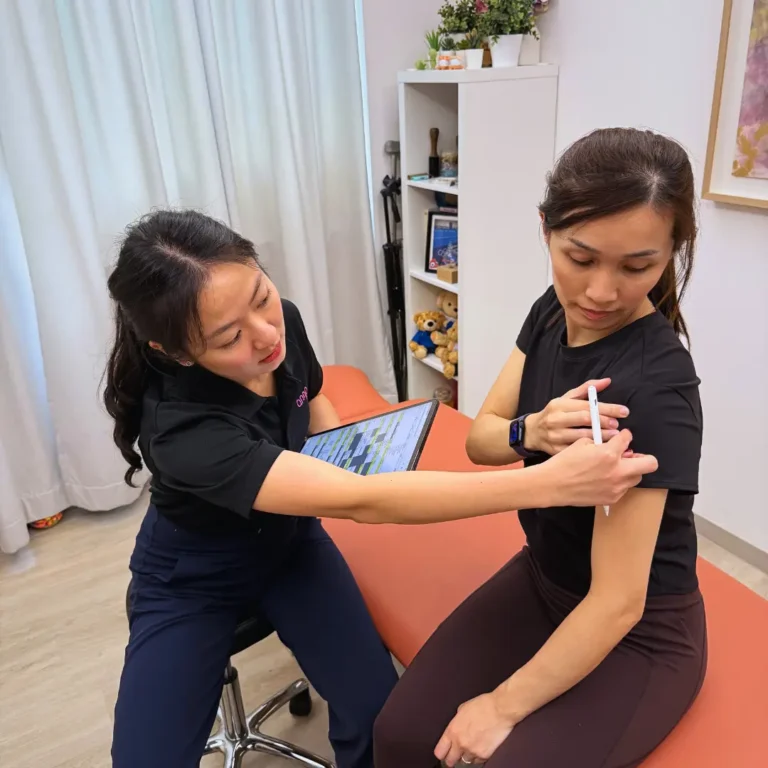
Myofascial BodyWork is a hands-on approach that works with the fascia — the connective tissue network that surrounds and supports muscles, joints and other structures in the body.
This is offered through Anatomy Trains Structural Integration, either as a 12-Session Structural Integration Series or a 3-Session Introductory Series.
Sessions are individualised and may involve gentle manual techniques, movement awareness and reassessment of how the body responds.
This Is Suitable If You
Chronic neck, shoulder or back tension
General stiffness or restricted mobility
Postural strain from prolonged sitting or desk-based work
Training-related tightness or recurring muscular tension
Movement restrictions affecting exercise, sport or daily activities
A feeling of being “held”, guarded or unable to move freely
Anatomy Trains Structural Integration (ATSI)
Anatomy Trains Structural Integration (ATSI) is a systematic whole-body process developed by Tom Myers that works with the body’s fascial network to improve structural balance, movement efficiency and ease of movement.
Rather than treating the body as separate parts, ATSI looks at how tension, support and movement are distributed across the entire body. This makes it especially relevant for clients who feel persistently tight, compressed, restricted or poorly aligned despite regular stretching, massage or exercise.

Your Options
12-Session Structural Integration Series (Full-Series)
The 12-session Structural Integration Series is the most comprehensive way to experience ATSI. This is a systematic whole-body process where each session builds on the previous one. The aim is not only to address isolated areas of discomfort, but to help the body reorganise how it carries tension, receives support and coordinates movement. The series is typically organised into three broad phases:
These sessions work with the outer layers of the body and the more visible patterns of posture, shape and movement.
They may include work around the front, back, sides, and spiral or rotational patterns involved in walking, sport and daily movement.
These sessions focus on the deeper support system of the body. The goal is to support better internal organisation, stability and ease from the inside out.
This may include work around the feet, legs, pelvis, breath, ribcage, spine, neck, and head.
The final phase brings the superficial and deeper layers together.
These sessions aim to help the body move with better coordination, adaptability and balance, so changes can be more fully integrated into posture, movement and daily function.
3-Session Introductory Series (Good Starting Point)
The 3-session Introductory Series is a shorter entry point into Structural Integration. It is suitable for clients who would like to experience the work before committing to the full 12-session process.
Each session focuses on key areas that influence posture, breathing and whole-body movement.
This session works with the lower body to support balance, grounding and connection with the floor.
This session focuses on the ribcage, breath and upper body mobility to support easier breathing and improved movement through the trunk.
This session works with the spine and neck to help bring the body together with greater overall integration.
Which Series Should You Choose?
The 3-session series is suitable if you are new to Structural Integration and would like a shorter introduction to the work.
The 12-session series is recommended for clients seeking a more comprehensive whole-body process, especially if you are looking to address long-standing movement restrictions, postural patterns or deeper structural change.
Both options are designed to support better movement awareness, tissue mobility and whole-body organisation.
If you are unsure, please reach out to us via WhatsApp 96670407 and we will be happy to answer your questions.
ScarWork
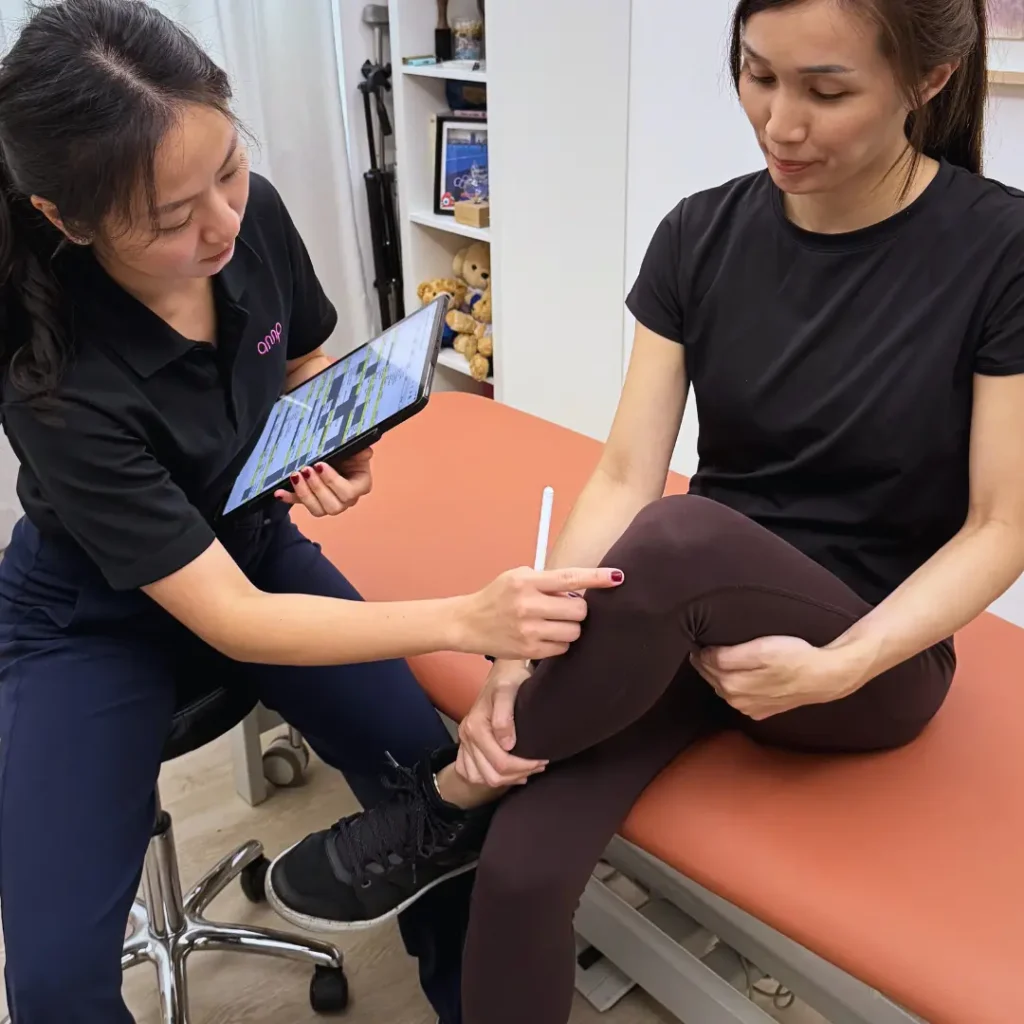
ScarWork is a specialised manual therapy approach that is a gentle hands-on method developed by Sharon Wheeler, designed to work with scar tissue and focuses on improving the mobility, comfort and integration of scar tissue with the surrounding tissues.
Scars may sometimes feel tight, sensitive, numb, lumpy, restricted or uncomfortable. In some cases, they may also contribute to pulling sensations or movement limitations around the area.
ScarWork can be considered once the scar is fully closed, healed and free from active inflammation or infection.
ScarWork uses gentle, non-forceful techniques to support the scar and surrounding tissues. The aim is to improve tissue glide, soften restriction and help the area feel more comfortable and connected.
Suitable For Scars From
Caesarean section or childbirth-related procedures
Cosmetic surgery
Keyhole procedures
Sports injuries
Accidents, trauma, or burns
Older scars that still feel tight, restricted or sensitive
Book a Session
ScarWork can be considered once the scar is fully closed, healed and free from active inflammation or infection.
For individuals with hypertrophic scars or keloids, ScarWork may be considered if the scar is no longer in an active or inflammatory phase. As every case varies, we recommend booking a short assessment session first to determine whether treatment is suitable. Please reach out to us via WhatsApp 96670407 to find out more.
