
If you’ve been dealing with persistent tendon pain, stubborn heel pain, or a nagging shoulder injury that just won’t go away, you’re not alone. Many people struggle with chronic musculoskeletal injuries, and traditional treatments like rest, ice, or stretching sometimes aren’t enough. That’s where shockwave therapy comes in: a safe, non-invasive, and effective way to boost your body’s natural healing.
What Is Shockwave Therapy?
Shockwave therapy, also called Extracorporeal Shockwave Therapy (ESWT), uses high-energy sound waves to target injured muscles, tendons, ligaments, or fascia. Don’t let the word “shock” scare you though, these aren’t electric shocks. They’re gentle pulses that stimulate your body to repair damaged tissues.
Originally developed to break up kidney stones, physiotherapists quickly realized the same technology could help treat chronic injuries, tendinopathies, and stubborn soft tissue pain. It’s like giving your body a wake-up call, reminding it to kickstart the healing process where it had stalled.
How Does Shockwave Therapy Work?
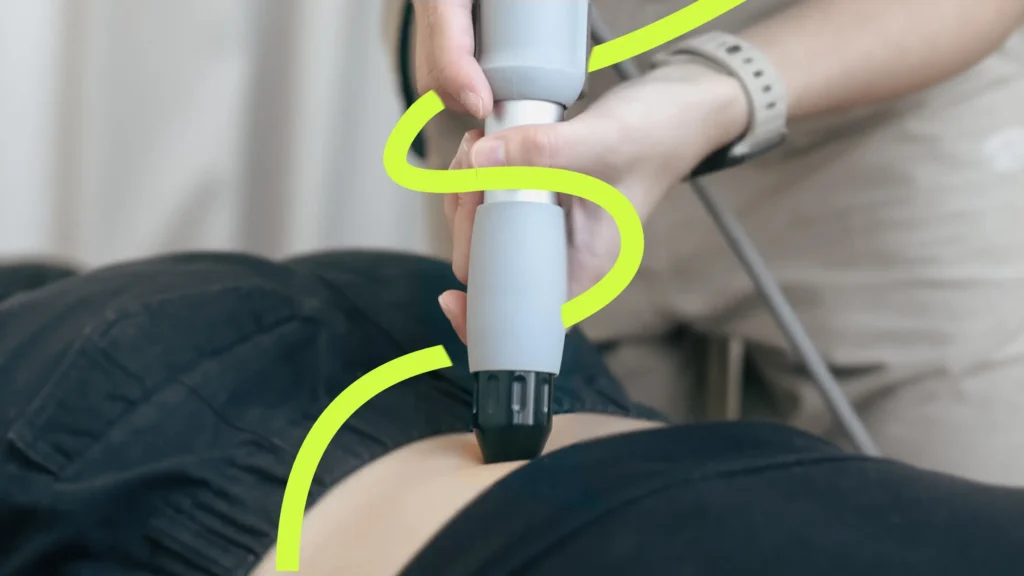
During a session, a physiotherapist applies gel to the affected area and moves a handheld device over the skin. You’ll feel a series of rhythmic pulses, sometimes described as gentle tapping or tingling. These pulses do several things:
- Increase blood flow: More oxygen and nutrients reach the injured area.
- Stimulate collagen production: Collagen helps strengthen tendons and ligaments.
- Break down scar tissue or calcium deposits: This restores flexibility and mobility.
- Reduce pain: Shockwaves calm overactive nerves and trigger the release of natural painkillers.
In short, shockwave therapy helps your body heal faster, stronger, and with less pain; all without surgery or medication.
Conditions Shockwave Therapy Can Help
Shockwave therapy is especially effective for chronic or overuse injuries that have been lingering for weeks or months. Common conditions include:
- Plantar fasciitis (heel pain)
- Achilles tendinopathy
- Jumper’s knee / patellar tendinopathy
- Tennis elbow or golfer’s elbow
- Shoulder pain or calcific tendonitis
- Hip, hamstring, or gluteal tendon issues
If you’ve tried traditional therapies like rest, stretching, or strengthening with limited results, shockwave therapy could help jumpstart healing and restore movement.
What to Expect During a Session?
A typical shockwave therapy session lasts 10-15 minutes, and most people notice improvements after 3–6 sessions, usually spaced about a week apart. Some mild soreness or tingling may occur afterward; similar to post-workout muscle fatigue, but there’s no downtime, meaning you can continue your daily activities immediately. It’s a quick, convenient treatment that works best when paired with strengthening exercises, mobility work, and proper rehab techniques. Think of it as a boost for your tissues, helping them recover faster and more effectively.
Who Should Avoid Shockwave Therapy?
Shockwave therapy is generally safe, but it’s not recommended for people with open wounds, infections, blood clotting disorders, or pregnancy. Always consult a physiotherapist or healthcare professional before starting treatment.
Conclusion
If you’ve been struggling with persistent pain, tendon injuries, or limited mobility, shockwave therapy could be the solution you’ve been looking for. By using focused sound waves to stimulate your body’s natural healing, it helps reduce pain, improve movement, and accelerate recovery, all without invasive procedures or drugs. Think of it as giving your body a gentle nudge to wake up and start healing again. Combined with a proper exercise program and rehab plan, it’s one of the most effective tools in modern physiotherapy for chronic musculoskeletal injuries.
While it’s not a magic cure, it can be a game-changer for anyone dealing with long-term tendon pain or muscle injuries. So, if your injury has been holding you back, it might be time to give shockwave therapy a try, and get back to moving, playing, and living pain-free!
